Strengthening Understanding Through Mate Wareware Wānanga
Article

July 2026
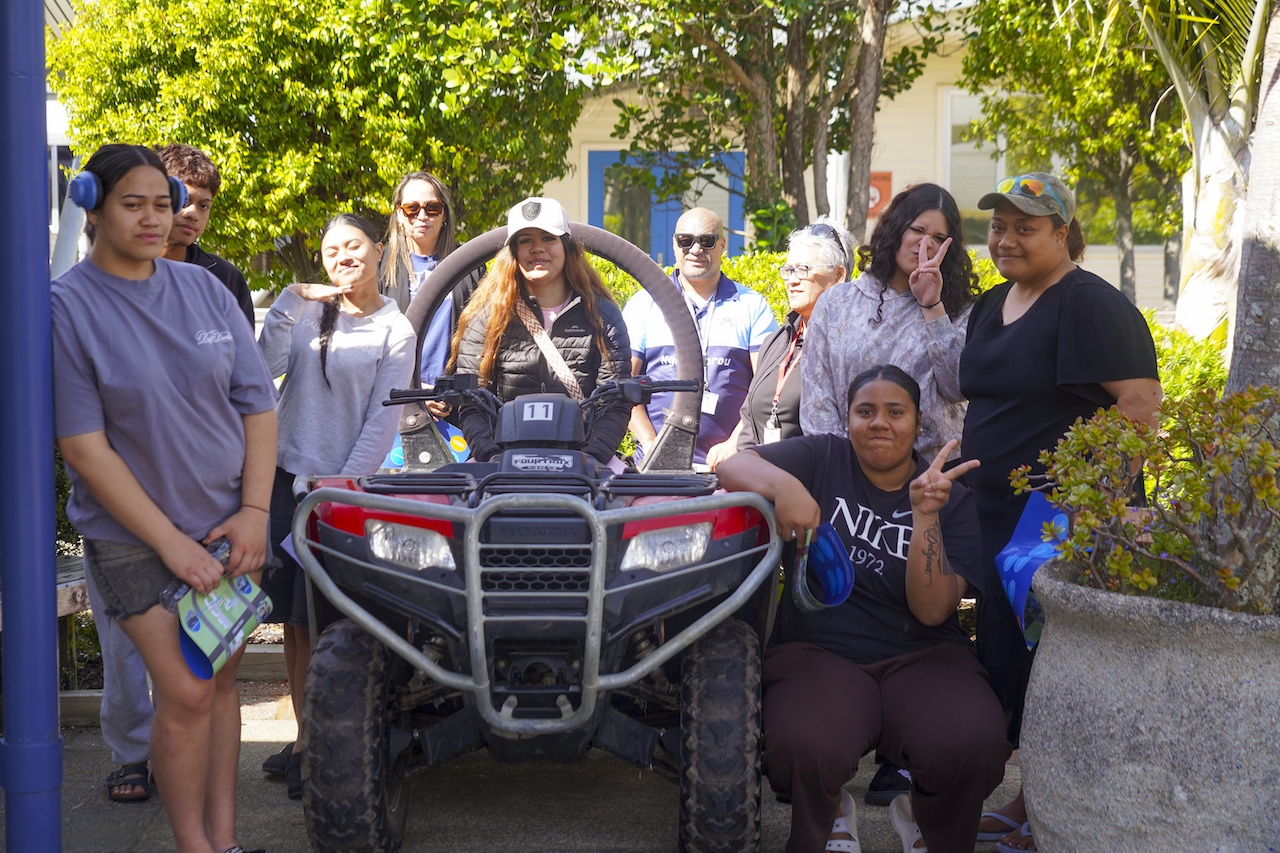
The recent Mate Wareware Wānanga brought together kaimahi and whānau for a meaningful day of learning, connection, and kōrero focused on supporting those living with mate wareware.
Facilitated through a Te Ao Māori perspective by Associate Professor Dr Makarena Dudley (Te Rarawa, Ngāti Kahu), a neuropsychologist, the wānanga encouraged participants to reframe the way mate wareware is understood. Rather than viewing it through a lens of stigma, the kōrero centred on a strengths-based, whānau-led approach that upholds the mana of those living with the condition.
Dr Dudley shared the importance of understanding mate wareware through a Māori worldview, recognising not only its impact on the individual but also on wairua, whānau connections, and the collective role of whānau in providing care and support.
Throughout the day, whānau and kaimahi were invited to share their own experiences of caring for loved ones living with mate wareware. These conversations created a safe and supportive environment where participants could learn from one another, deepen their understanding, and strengthen their confidence to provide culturally grounded care.
The strong turnout and level of engagement reflected the growing importance of these conversations within our communities. By continuing to build awareness, reduce stigma, and strengthen understanding, we can better support whānau navigating the journey of mate wareware together.
The kaupapa aligns with the wider mahi of Associate Professor Dr Makarena Dudley and Professor Sir Richard Faull through Te Huinga Hinengaro, the Centre for Brain Research at Waipapa Taumata Rau, University of Auckland. Together, they have been taking these important conversations to marae throughout Aotearoa, empowering whānau with knowledge, strengthening community understanding, and helping shift the narrative around mate wareware to one of compassion, connection, and collective care.
Ngāti Porou Oranga extends its sincere thanks to Associate Professor Dr Makarena Dudley and Professor Sir Richard Faull, along with the Te Huinga Hinengaro team, for sharing their knowledge and expertise. We also thank everyone who attended and contributed to the wānanga. Together, we can continue creating safe spaces for learning, strengthening our understanding, and ensuring our whānau living with mate wareware are supported with aroha, dignity, and mana.